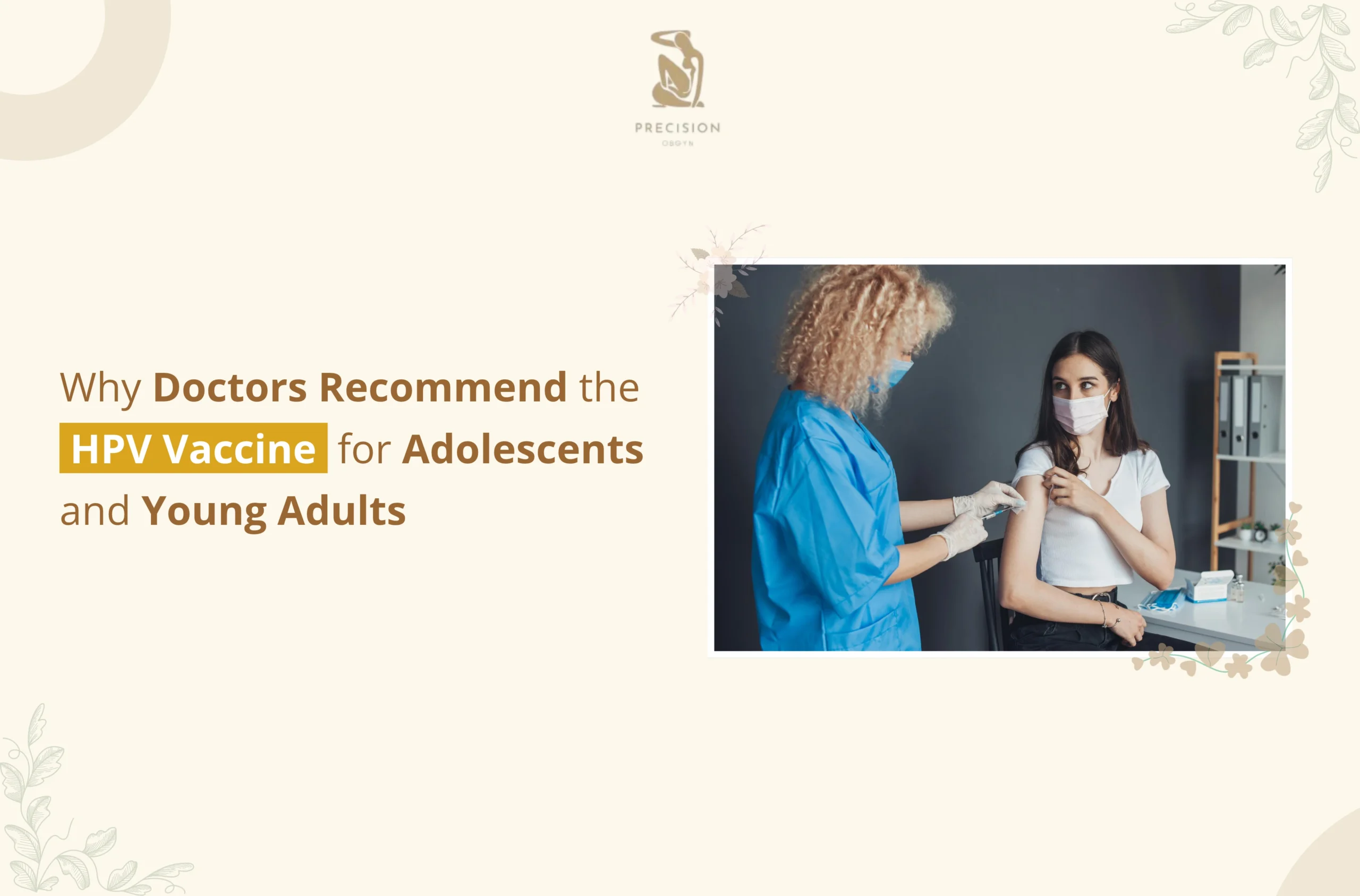
The HPV vaccine is recommended because it protects against the infections that can lead to most cervical cancers, some other cancers and genital warts. It is effective before an individual is exposed to the virus, hence routine age of 11 or 12. A lot of people can make up for their age gaps up until they are 26.
This vaccine may have been mentioned to you during a routine check-up. Perhaps you’ve been asking yourself why it’s always being brought up. Let’s discuss it.
What Is HPV and Why Is It Important?
HPV is an abbreviation for human papillomavirus. It’s very common. Most sexually active people get it at some point.
Most infections will resolve spontaneously. Some don’t. And that’s where the trouble starts.
Long-lasting infections with high-risk types can lead to:
- Cervical cancer
- Cancers of the throat, anus, vulva, vagina and penis
- Precancers that need treatment
- Low-risk genital warts, which are usually not cancerous
The hard part is here. Typically, there are no symptoms associated with HPV.
What’s the Doctor’s Recommendation for It in Teens?
It all depends on timing. The vaccine is for PREVENTING infection. It cannot cure you if you already have it.
Doctors want to prevent children from being exposed. Hence the “routine” age is set at 11-12 years old. May begin as early as 9.
There are a couple of reasons this is a great age:
- Strong response. Younger bodies provide good protection.
- Before exposure. According to the National Cancer Institute (NCI), the highest level of protection is achieved by giving the vaccine before the first exposure to the virus.
- Fewer doses. Traditionally, it’s been better to start young with fewer shots.
Is the HPV Vaccine Effective?
Yes. Now we have some real life numbers.
| What Was Measured | Result |
| Vaccine-type HPV in girls 14 to 19 | Down 88% (from 11.5% to 1.1%) |
| Vaccine-type HPV in women 20 to 24 | Down 81% (from 18.5% to 3.3%) |
| Cervical precancer (CIN2) in women
20-24 years old |
Down 79% |
| Risk of more serious precancers (CIN3)
in women 20-24 years old |
Down 80% |
Data for infection rates are from the Centers for Disease Control and Prevention (CDC). They compare 2003 to 2006 with 2015 to 2018, and they cover HPV types 6, 11, 16, and 18. Precancer numbers are from a subsequent CDC report from 2008 – 2022.
The current vaccine, Gardasil 9, protects against 9 types. The two types, 16 and 18, are responsible for approximately 70% of cervical cancers. Another 10 to 20% are five other types.
Is the HPV Vaccine Safe?
It’s one of the most studied vaccines out there. More than 20 years of monitoring have revealed no serious side effects, according to the NCI.
The common ones are mild:
- Soreness or redness where the shot went in
- Swelling at the injection site
- A mild headache or fatigue/tiredness
Vaccines should be delayed after delivery for pregnant women. NCI notes there’s no evidence it harms a pregnancy.
How Many Doses Do You Need?
This part has been changing recently so let’s take it slow.
- Label: If the schedule is FDA licensed, it is two doses for patients under age 15. It’s three if you start later or have a weakened immune system.
- Federal change: One dose is as effective as two, according to a 2026 federal change, announced by HHS Jan. 5, 2026. It’s a departure from the previous recommendations.
- Other groups: The American Academy of Pediatrics continues to suggest that kids receive 2 doses. It states one versus two evidence is still under review.
What shall you do then? Come in, we will discuss the program that is best for you and your history.
But Is It Too Late to Get Vaccinated?
Usually not. Breaking it down:
| Age | Physicians’ Advice |
| 9 to 12 years old | Routine and ideal timing |
| 13 to 26 years old | Catch up vaccines if you are behind schedule |
| 27 to 45 years old | A discussion with your doctor, not routine |
After 26, the benefit is less as more individuals are exposed. However, some adults in this range still benefit. It depends on your particular circumstances.
Already sexually active? Vaccination is available. Not all the types of vaccines may have been administered.
Are Pap Tests Being Replaced by Vaccines?
No. It’s an unexpected answer for many people.
The vaccine doesn’t cover every type of HPV that can cause cancer. Even if you’ve been fully vaccinated, you should still get screened.
- During a Pap test, the doctor examines cell changes on the cervix.
- HPV tests are used to detect the presence of the virus.
- Well-woman exams help maintain your overall care.
Imagine that this is two layers. The vaccine reduces your risk. Screening is what is left.
How Can Precision Healthcare and Cosmetic Surgery Help?
HPV vaccination is part of our gynecology services in both our Miami and Aventura offices. This includes well-woman exams, Pap tests, and STI testing.
Here’s what you can expect:
- Help figuring out your dose schedule
- One-stop screening and vaccine care
- Insurance help. Please visit our insurance page.
Booking for a teen? Please contact us in advance to check details and age.
Book an appointment or call (305) 424-8622.
Frequently Asked Questions
When Is the Best Time for My Child to Receive the HPV Vaccine?
It’s recommended by doctors at age 11 or 12. It can start as early as 9.
Is There Still Time to Receive the HPV Vaccine at 25 Years Old?
Usually, yes. Catch up vaccinations are advised until the age of 26 years.
Can the HPV Vaccine Trigger Infertility?
No, according to NCI, after over 20 years of surveillance, there are no serious side effects and nothing to show that it harms pregnancy.
If I Have Already Been Diagnosed With HPV, Do I Need the Vaccine?
Maybe. You might not be immunized against all the vaccine types. Ask your doctor.
The Bottom Line
The HPV vaccine protects against the development of cancers. That’s why it’s always mentioned by physicians.
The sooner, the better, but it’s not too late. Come with questions and we’ll work it out!
This article is not medical advice but only for informational purposes. Recommendations for vaccines may change, so check with your health care provider.
Sources
- National Cancer Institute. Human Papillomavirus (HPV) Vaccine Fact Sheet
- CDC MMWR. Reductions in Vaccine-Type HPV Prevalence Among Females, 2003-2018
- American Sexual Health Association. There Has Been a Dramatic Drop in Pre-Cancerous Conditions in the Cervix
- Association of Immunization Managers. What to Know About One-Dose HPV Vaccination
- Primary Care Alliance. AAP 2026 Immunization Schedule