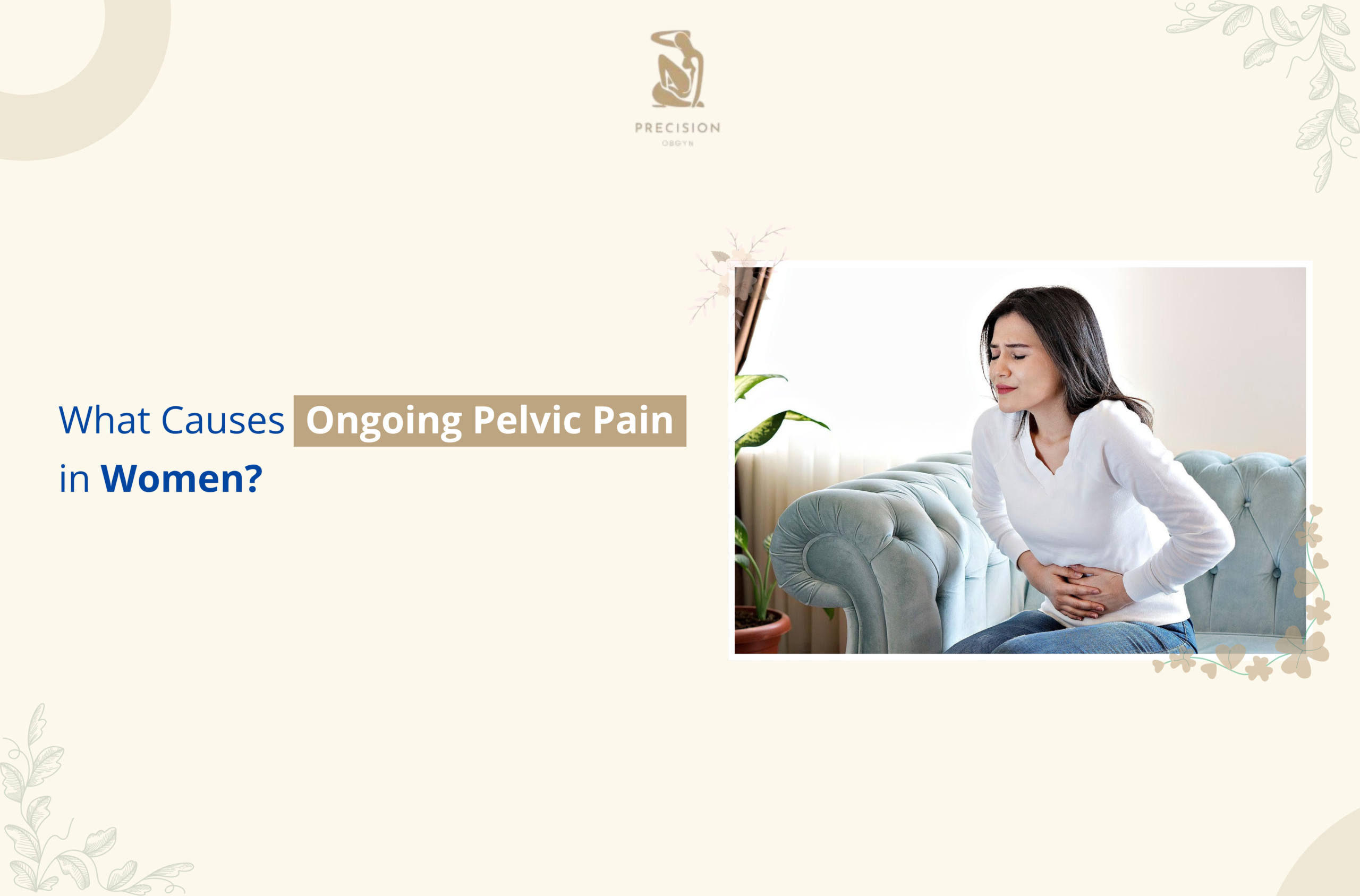
Pelvic pain can be slow and quiet. It can also be sharp and sudden. Many women feel pain that does not go away. This pain can make it hard to play, sleep, work and smile. At Precision OBGYN, we specialize in the treatment of women with pelvic pain. Our team assists in identifying the cause and the optimal treatment of every individual. Here’s a brief overview of ongoing pelvic pain. We’ll cover common causes, when to see a doctor and how care can help you feel better.
What Is Pelvic Pain?
Pelvic pain is pain in the lower belly. It can:
- Stay in one spot or move around
- Feel dull, sharp, or like pressure
- Come and go, or stay all the time
Pain may be experienced in any part of your body, such as the womb, ovaries, bladder, bowels, muscles, or nerves. Sometimes it even concerns your back, hips, or bones.
Common Causes of Ongoing Pelvic Pain
Here are some of the most common reasons women have pelvic pain:
- Endometriosis
Tissue can grow outside the womb and attach to other body parts, causing pain, especially during sex and making conception difficult.
- Pelvic inflammatory disease (PID)
This is an infection of the womb, fallopian tubes, or ovaries. Germs cause it. Unless well treated with medicine, PID may lead to long-term pain.
- Ovarian cysts
Ovarian cysts are small sacs on the ovary. Other cysts are painful to grow and rupture. They can come back.
- Fibroids
Fibroids are masses within the womb. They are not cancer. They can press on the bowels or the bladder, causing pain or pressure.
- Pelvic floor muscle problems
The muscles of the pelvic floor support the organs. The muscles may become tight, weak, or injured. This may bring about pain during sitting, walking, or during sex.
- Interstitial cystitis
The bladder can be sore. This makes it painful and it urges frequently. The pain can last a long time.
- Irritable bowel syndrome (IBS)
Cramps or pain can be due to the bowels. Stool and gas can cause pain in the pelvis. IBS can be long-term.
- Scar tissue
Bands of scar tissue can form in the body after an operation or after an infection. These bands can drag on organs, causing pain.
- Nerve pain
Pelvic nerves may become trapped or injured. This may lead to severe or sharp pains.
- Other causes
The pain may sometimes originate in the hip, back, or bones. Occasionally, it is of the skin or muscle. In rare cases, a severe issue can be uncomfortable. This is why a doctor’s check-up is required.
Signs You Should See a Doctor Now
Talk to a doctor if you have:
- Pain that does not go away for weeks
- Very bad pain that stops you from moving
- Fever with pelvic pain
- Heavy bleeding or sudden heavy bleeding
- Pain with pregnancy signs or missed periods
- Trouble peeing or feeble bowel movements
How Doctors Check Pelvic Pain
Accurate diagnosis is the initial move toward comfort. At Precision OBGYN, we thoroughly evaluate each patient. Our approach includes:
- A detailed medical history
- Physical exams
- Ultrasound or MRI scans
- Lab tests and hormone checks
This lets us pinpoint the cause of your pain. After that, we can develop a treatment plan that suits you.
How Precision OBGYN Helps
At Precision OBGYN, we provide a complete evaluation to find the source of pelvic pain. Our team uses gentle exams, imaging and lab tests to understand each woman’s situation. We focus on personalized care. Every woman is different and so is her treatment plan.
Personalized Treatment Options
- Medication
Pain relief or hormone therapy can aid with ailments such as endometriosis or fibroids.
- Minimally Invasive Procedures
Sometimes surgery is needed. Our skilled surgeons perform gynecologic procedures with care and precision.
- Lifestyle Support
Dietary modifications, exercise and physical therapy may be used in such conditions as IBS or pelvic floor dysfunction. We aim to assist women in becoming comfortable again and enhance their lives.
Living with Pelvic Pain
It is difficult to live with continuous pain. It may cause stress, anxiety, or even depression. The family, friends and doctors must provide emotional support. Discomfort can also be reduced with mindfulness, light exercise and relaxation. Simple steps that help:
- Warm baths or heat packs
- Light stretches on the hips and back
- Breathing or meditation
- Keeping a diary of pain to see patterns
Final Words
Ongoing pelvic pain is not something you must live with. Many causes can be found and treated. You deserve care that is gentle and clear. If pain is making life hard, reach out for help. A doctor can listen, check, and make a plan with you. If you want to book a visit for pelvic pain, an annual check, or a surgery talk at Precision OBGYN, our team is ready. We will protect you and make you feel more secure and empowered.
FAQs
Is surgery always needed?
No. Most women get better with medicine or therapy. Surgery is only needed sometimes.
Can pelvic pain be very serious?
Yes, sometimes. Get help fast if you have fever, heavy bleeding, fainting, or very bad pain.