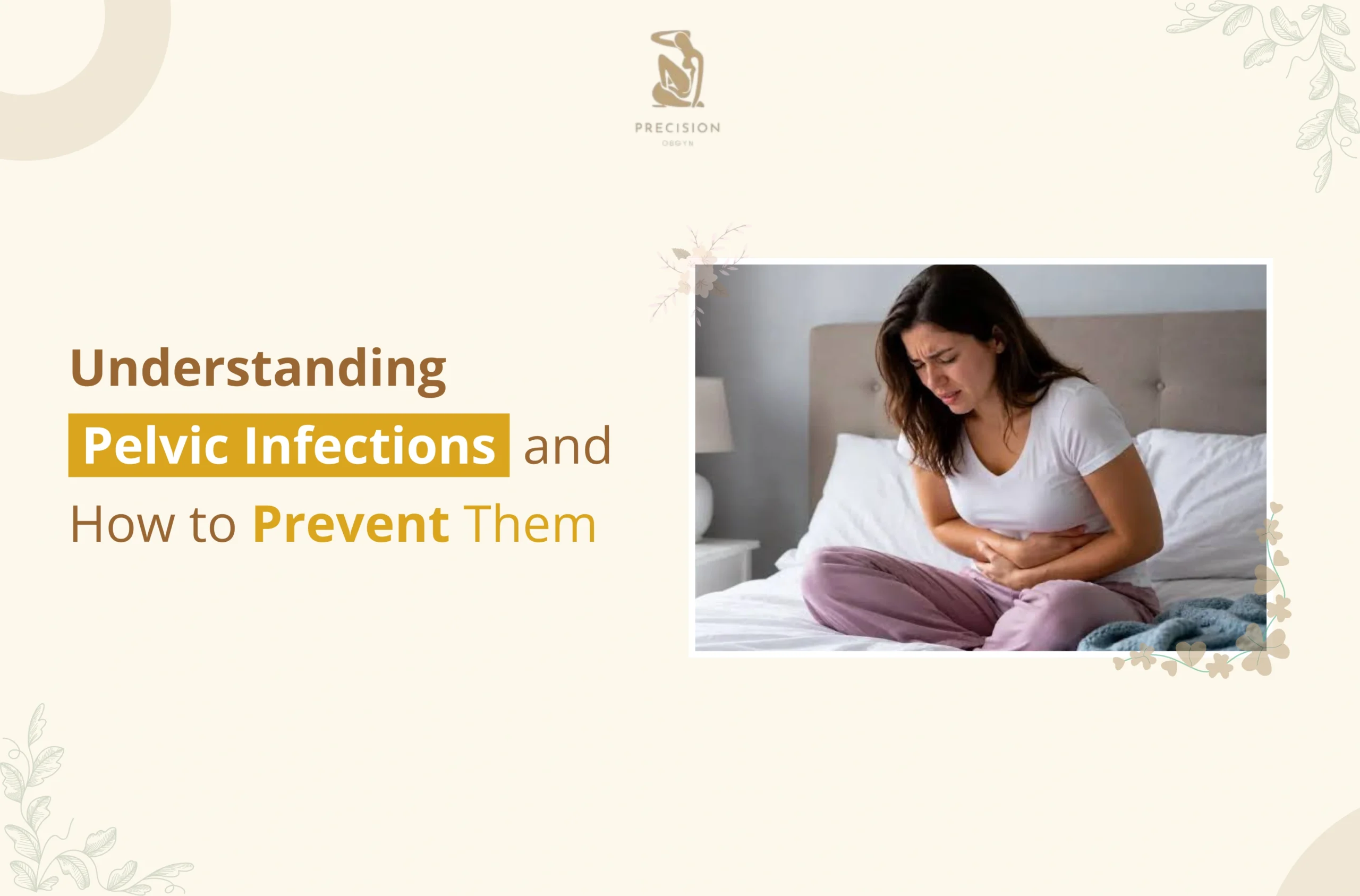
That dull ache low in your stomach you’ve been blaming on cramps, or bad takeout, or just being run down lately? Might really be nothing. Might also be an infection that’s been sitting there quietly for a while.
PID, pelvic inflammatory disease, is what doctors call it when infection reaches the uterus, tubes, or ovaries. It happens more than people realize, and the annoying thing is, most of the time it didn’t have to.
Where it starts.
Chlamydia and gonorrhea cause about half these cases. If they go untreated, the bacteria just keeps moving, up from the cervix, into the uterus, into the tubes. That’s the part that actually causes damage.
It’s not always an STI though. Sometimes it’s bacteria that were already living in the vagina, minding their own business, until they weren’t. And yeah, if you just got an IUD, there’s a slightly higher risk the first few weeks. It fades fast though.
What it feels like.
Honestly? A lot of the time, barely anything.
When there’s something to notice, it’s usually a mix of low belly pain, discharge that seems off, pain during sex, burning when you pee, bleeding that shows up at the wrong time in your cycle. Fever sometimes. But plenty of women have this and feel basically fine, which is exactly the problem.
Why you shouldn’t just wait and see
It doesn’t quietly fix itself. The infection scars the tubes, and scar tissue is permanent, it doesn’t heal back to normal.
That scarring is where things get serious. About 1 in 8 women who’ve had PID end up having trouble getting pregnant down the road. Higher odds of ectopic pregnancy too, pelvic pain that hangs around for years, sometimes abscesses that need surgery. It’s one of the biggest preventable causes of infertility in the country. Preventable is doing a lot of work in that sentence.
What actually helps
Condoms, used every single time, not just sometimes. One partner you both trust, both tested, both clear, also helps a lot.
Get screened regularly. This matters more than people think, especially under 25 or with someone new. Chlamydia especially likes to hide, no symptoms at all sometimes, so a screening might be the only way you’d ever know before it turns into something bigger.
And if your partner tests positive, you both need treatment. Skip that step and you’re just going to end up back here in a few months.
When to actually go in
Weird discharge, a smell that’s off, burning, bleeding that makes no sense with your cycle, go get checked. Don’t sit on it hoping it fades.
Unexplained pain low in your belly is worth a visit too, especially if you’re sexually active. Caught early, this usually clears up fine with antibiotics. It’s the waiting that turns something small into something that isn’t.
If this feels awkward to bring up, that’s okay.
A lot of people skip this appointment because it’s uncomfortable to talk about, or the symptoms seem too small to mention. Mention them anyway.
If something’s felt off, or it’s been a while since you were checked, reach out to Precision Healthcare and Cosmetic Surgery and get a real answer instead of guessing.
FAQs
Can it come back after I’ve already been treated?
Yeah, it can, especially if your partner didn’t get treated too, or if you pick up a new infection later.
How do doctors even figure out you have it?
Usually a pelvic exam plus your symptoms, sometimes an ultrasound too. A lot of the time doctors will just start treatment based on what it looks like clinically, instead of waiting around for a perfect test result, because waiting can let things get worse.
Am I definitely going to have fertility issues if I’ve had this?
Not definitely, no. But the risk climbs each time it happens, and repeat infections do more damage than one that gets caught early. That’s really the whole point of not letting it slide.
I’ve had symptoms for a couple weeks already, is it too late to bother getting checked?
Not at all. Sooner is better, sure, but going in now still helps. Treatment can still limit damage even if it’s been a little while.