Modern gynecological care goes well beyond a yearly exam. It centers on prevention, screening that fits your age and risk and straight talk about everything from periods to menopause.
You get clear explanations, real choices on birth control, vaccines, and hormone therapy, and a voice in every decision.
Say you’re 34 and your last gynecology visit was somewhere around college. You’ve been meaning to book one “soon,” and soon has now lasted three years.
If that sounds like you, you’re in good company. You’re probably also picturing a worse appointment than the one you’d actually get.
Here’s what a visit looks like these days, what you’re due for, and what shouldn’t wait.
What Does a Gynecologist Actually Treat Now?
More than most people assume.
A good practice looks after:
- Well-woman exams and routine screening
- Periods that are heavy, painful, or all over the place
- PCOS, endometriosis, and fibroids
- Birth control, including getting an IUD put in or taken out
- STI testing and the HPV vaccine
- Preconception planning
- Menopause symptoms and hormone therapy
- Referrals for breast cancer screening
The biggest change isn’t a gadget or a procedure. It’s that your provider now explains the options and you pick, instead of being told what’s happening.
Which Screenings Do You Really Need?
Fewer than you might think, and less often. That’s good news if the yearly Pap has been hanging over you.
| Screening | Who and when |
| Pap test | Starts at 21. After a normal result, the next one may not be due for 3 years |
| Cervical screening, ages 30 to 65 | HPV test alone every 5 years, HPV plus Pap every 5 years, or Pap alone every 3 years |
| Mammogram | Every 2 years for women 40 to 74, per the U.S. Preventive Services Task Force |
| After 65 | Cervical screening can stop after enough normal results and no history of precancer |
Family history or past abnormal results can change the schedule, so let your provider adjust it.
Is the HPV Vaccine Only for Kids?
Mostly, but not entirely. The CDC recommends it at 11 or 12, and it can start at 9. If you’re 26 or younger and never finished the series, you can still catch up.
Between 27 and 45, it’s a judgment call you make with your provider. The payoff is smaller at that age because many adults have already been exposed to HPV at some point.
What Happens When You Walk In?
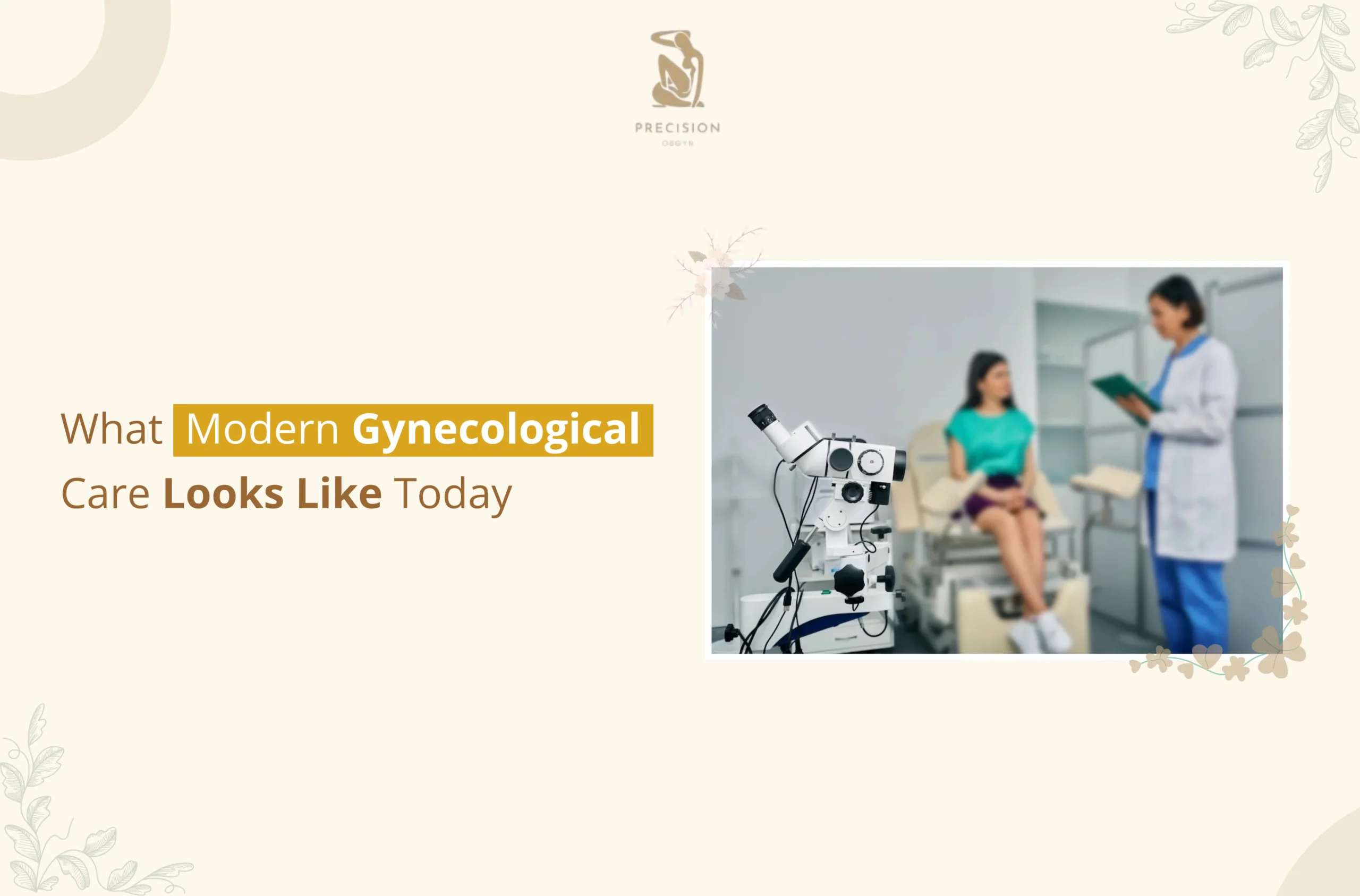
Mostly, you talk. The exam is one part of the visit, not the whole thing.
Expect something close to this:
- You go over your history: periods, pregnancies, medications, family health, and whatever brought you in.
- You say what you’re after. A birth control change, a baby in a year or two, relief from cramps that wreck your week, or just a checkup.
- If an exam makes sense, your provider tells you what each step is before it happens. You can say stop at any point, and that should be taken seriously.
- You get the tests that fit you, not a one-size-fits-all package.
- You leave knowing what happens next.
Tip: write your questions down first. Once you’re on the table, the embarrassing ones tend to vanish.
Are Bad Periods Just Something You Live With?
No, though plenty of us were raised to believe so. Pain that sends you home from work isn’t the price of having a uterus.
It’s worth getting checked if you have:
- Bleeding that soaks through a pad or tampon every hour or two
- Periods that drag past a week
- Pain strong enough to cancel plans or interrupt sleep
- A cycle that was steady for years and suddenly isn’t
- Spotting between periods or after sex
Behind those symptoms there’s often something specific, like PCOS, endometriosis, fibroids, or a hormone imbalance. All of them can be managed, and catching them earlier usually keeps the treatment simpler.
What if You’re Choosing Birth Control, or Thinking About a Baby?
Start with what you want this year, since the answer can change.
For birth control, your provider can walk you through:
- Pills, patches, and rings
- IUDs, which can be placed and removed right in the office
- Other methods, depending on your health and what you’re comfortable with
If a pregnancy is in the picture, even loosely, a preconception visit helps. You can review medications, vaccines, and health conditions while you still have room to make changes.
What’s Menopause Care Like Now?
Much less of a grin-and-bear-it situation than it used to be. Perimenopause can start years before your last period, with hot flashes, rough sleep, mood swings, and cycles that keep you guessing.
Your options can include:
- Everyday changes like a steadier sleep routine and regular exercise
- Non-hormone treatments aimed at specific symptoms
- Hormone replacement therapy (HRT), if it suits your health history
HRT isn’t for everybody. That’s the whole reason it needs to be a personal decision, not a blanket recommendation.
Does a Gynecologist Care About Your Mood?
They should. Your hormones shift with your cycle, pregnancy, and menopause, and mood can shift with them.
Mention it if you notice:
- Irritability or sadness that tracks with your period
- Anxiety or a low mood after having a baby
- Poor sleep or feeling off during perimenopause
You aren’t overreacting. It’s part of your health, and it belongs in the room.
When Shouldn’t You Wait for a Regular Appointment?
Call right away, or go to the ER, if you have:
- Sudden, severe pelvic pain
- Heavy bleeding with dizziness or weakness
- Fever together with pelvic pain or unusual discharge
- Bleeding during pregnancy
In an emergency, call 911.
How Can Precision Health and Cosmetic Surgery Help?
We offer gynecology services in Miami and Aventura. That covers well-woman exams, period care, contraception, menopause support, and women’s wellness.
- Miami: 330 SW 27th Ave, Suite 609, Miami, FL 33135
- Aventura: 2820 NE 214th St, 8th Floor, Aventura, FL 33180
- Hours: Monday to Friday, 9 AM to 8 PM
- Phone: (305) 424-8622
Ready to stop putting it off? Schedule your appointment or call (305) 424-8622. You can also browse more on our blog.
Frequently Asked Questions
How often should I see a gynecologist?
Most people do well with a yearly well-woman visit. Your provider can change that based on your age, history, and symptoms.
Do I need a pelvic exam every year?
Not always. Many visits are mostly conversation plus whichever screenings you’re due for. Ask what makes sense for you.
When should I start getting Pap tests?
At 21. After that, timing depends on your age and past results.
Can I go while I’m on my period?
For most visits, yes. A Pap test is sometimes easier between periods, so call the office if you’re unsure.
Are really painful periods normal?
Some cramping is common. Pain that disrupts your life isn’t something to just accept, so get it checked.
Is hormone therapy safe?
For some people it’s safe and helpful, and for others it isn’t a good fit. Your provider reviews your health history and risks first.
The Bottom Line
A good gynecology visit should leave you understanding your body a bit better and knowing what comes next. If you’ve been putting one off, this is a good week to stop.
Take the next step: Book a visit today.
This article is for education only. It isn’t medical advice, diagnosis, or treatment.
Sources
- Centers for Disease Control and Prevention. Cervical Cancer Screening
- Centers for Disease Control and Prevention. HPV Vaccine Recommendations
- S. Preventive Services Task Force. Breast Cancer: Screening