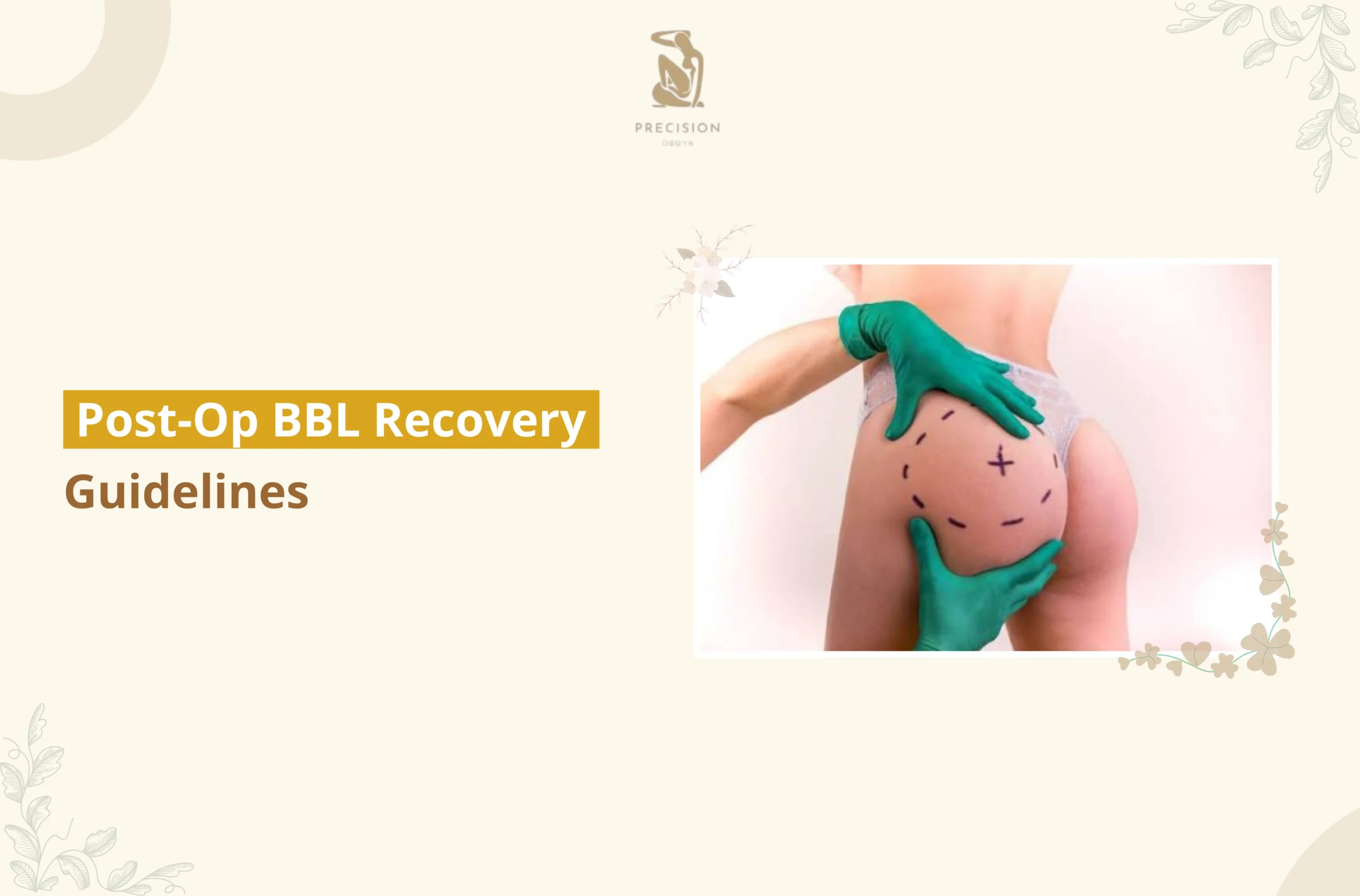
Fat gets taken from one area, processed, and transferred into the buttocks. That’s the surgery. What happens over the next several weeks decides how much of that fat actually stays.
The grafted cells are fragile at first. They need blood flow to survive, and pressure or bad timing on activity can kill off part of the graft before it has a real chance. The guidelines below cover what that recovery period involves.
Sitting restrictions
- No sitting directly on the buttocks for at least two weeks, sometimes longer depending on the surgeon and how much fat was transferred
- Use a BBL pillow or donut cushion if sitting can’t be avoided — it shifts weight onto the thighs and lower back
- Sleep on your stomach or side, not your back
- Direct pressure, whether from sitting or lying flat, compresses the graft and cuts into its blood supply
- Car rides, flights, and desk jobs all count as “sitting” — plan around this before scheduling surgery, not after
Compression garment
The garment (often called a faja) gets worn for weeks post-surgery. It manages swelling and helps the skin retract over liposuction sites.
Most garments have a cutout or lighter panel over the buttocks so they don’t compress the graft while still supporting everything else. Surgeons typically want it worn almost around the clock for the first several weeks — off only to shower — tapering down gradually after that. Some practices switch patients to a lighter, Spanx-style garment for the later weeks once the initial swelling has come down.
Swelling, bruising, drainage
Expect all three. None of it is automatically a bad sign.
Bruising tends to shift from purple to yellow-green over two to three weeks. Some blood-tinged drainage from incisions in the first few days is normal, not a sign of infection. Swelling can linger for weeks or months at a lower level, which is part of why final results usually aren’t judged until the three-to-six-month mark. Some surgeons also recommend lymphatic massage starting a couple weeks out, since it can help move fluid and reduce firmness in the treated areas.
Diet and hydration
Hydration is an issue of health that has a direct impact on the survival of the graft. This window is also for the uptake of protein, which is essential for tissue repair.
Alcohol and smoking have a negative effect on healing and pose a greater risk for surgery overall. Most surgeons recommend their patients to refrain from both foods for several weeks prior and following surgery.
Activity timeline
Light walking is fine early on and actually helps — it supports circulation and lowers clot risk. Most surgeons want patients up and moving in short stretches within the first day or two, even if it’s just laps around the house.
High-impact activity is different. No running, no jumping, nothing that bounces the area, and that includes gym classes that seem low-key but involve a lot of repetitive movement. Most surgeons clear light exercise around three to five weeks out, full activity around six to eight. Pushing this timeline is one of the more common ways people quietly work against their own results.
When to actually call
Some soreness and fatigue is expected. A few things aren’t:
- Fever
- Spreading redness or warmth around an incision
- Pain that’s getting worse, not better
- Shortness of breath, chest pain, or sudden swelling in one leg
That last group deserves real attention. Fat grafting carries a risk of fat embolism, where fat enters the bloodstream. It’s rare. It’s also serious enough that any breathing trouble after this surgery should get checked out immediately rather than assumed unrelated.
Bottom line
The surgery builds the shape. Recovery decides what sticks. Sticking to sitting limits, garment schedules, and activity timelines gives the graft its best shot.
Thinking about a BBL, or want to see what a recovery would be like in your situation?
Reach out to Precision OBGYN to schedule a consultation!