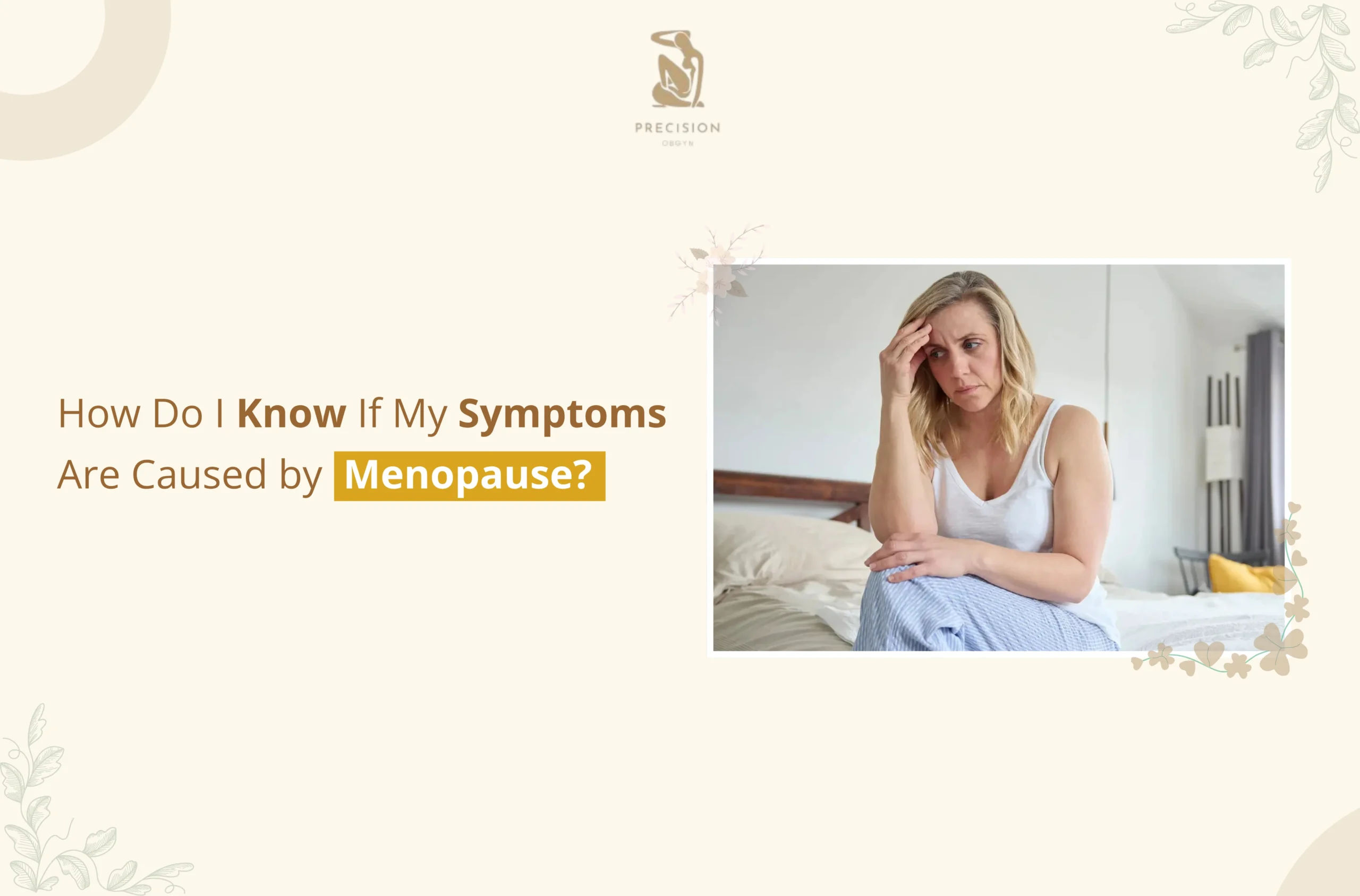
Have you experienced any changes in your body recently? You experience sudden hotness, even in a cool room. You may be lying in bed at night, unable to get sleep. You may experience fatigue, restlessness, or irritability.
If you are a woman in your 40s or 50s and you are wondering, are these changes just of getting older, or are you in menopause?
And how do I know if my symptoms are caused by menopause?
Many women share this concern. Menopause is a natural life stage, but it can be confusing as your body changes.
We support women in menopause at Precision OBGYN. We provide caring care, individualized therapies and expert guidance to ensure your health and comfort.
What Is Menopause?
Menopause is a normal stage in a woman’s life. It happens when a woman’s periods end permanently.
A woman reaches menopause after not having a period for 12 straight months.
Most women reach menopause between the ages of 45 and 55. Some women may experience it earlier or later.
Before menopause, there is a stage called perimenopause. This is the time when the body slowly gets ready for menopause. It can last for several years.
During this phase, hormone levels fluctuate. These variations, particularly in estrogen and progesterone, can lead to various symptoms.
Common Signs That Your Symptoms Are Caused by Menopause
Menopause symptoms often appear gradually. You might have a few or several at once.
Irregular Periods
One of the earliest signs of menopause is a change in your menstrual cycle. Your periods may become:
- Shorter or longer
- Heavier or lighter
- Closer together
- Farther apart
- Skipped for several months
The changes are typical perimenopausal, as hormones shift between the levels.
Hot Flashes
Hot flashes are a common symptom of menopause. They often cause a sudden feeling of heat in your face, neck and chest. This can lead to:
- A red complexion
- Sweating
Hot flashes can last for:
- A few seconds
- Several minutes
They might happen multiple times each day.
Night Sweats
Night sweats are hot flashes that occur while sleeping. They can cause heavy sweating, making you wake up feeling uncomfortable and disrupting your sleep.
Poor sleep can affect your energy, mood and concentration during the day.
Mood Changes
Hormonal changes can influence emotions. Many women notice:
- Irritability
- Anxiety
- Mood swings
- Feeling more emotional than usual
- Mild depression
Stress, poor sleep and life changes during midlife can also contribute to emotional changes.
Sleep Problems
Numerous women struggle to fall asleep or remain asleep during menopause.
You might encounter:
- Frequent awakenings throughout the night
- Rising earlier than normal
- Difficulty falling back asleep after waking
Vaginal Dryness
Lower estrogen levels often reduce natural vaginal moisture. This may cause:
- Dryness
- Itching
- Burning
- Pain during intercourse
These symptoms can affect intimacy and overall comfort but are very treatable.
Lower Sex Drive
Hormonal changes, fatigue, poor sleep and vaginal discomfort may reduce sexual desire during menopause.
Every woman’s experience is different and changes in libido are common.
Brain Fog
Some women describe difficulty with:
- Remembering names
- Staying focused
- Finding the right words
- Concentrating at work
These temporary changes are often called brain fog and may improve with better sleep and symptom management.
Joint and Muscle Pain
Menopause may result in a higher level of aches and stiffness. Hormone level changes can cause some joint and muscle discomfort. However, this effect is small compared to aging.
Weight Changes
Many women notice weight gain around the abdomen during menopause. Changes in hormones, a decrease in metabolism and muscle loss contribute to this.
Consuming nutritious foods and remaining active can assist in keeping a healthy weight.
Could It Be Something Else?
Not all of these symptoms are a result of menopause. Some other health issues may mimic menopause symptoms.
That’s why it’s better to consult a health care practitioner rather than self-diagnose.
Thyroid Problems
The thyroid is a small, butterfly-shaped gland in your neck that controls the body’s metabolism.
If your thyroid works too much, you may feel:
- Hot
- Sweaty
- Nervous
If your thyroid does not work enough, you may feel:
- Very tired
- Cold
- More likely to gain weight
Stress and Anxiety
The body can react to high stress in numerous ways.
It can cause:
- Sleep problems
- Sweating
- Mood changes
- Feeling worried
Iron Deficiency
Low iron levels can make you feel tired and weak.
Heavy periods before menopause can sometimes cause low iron.
A healthcare provider can check your health and find the reason for your symptoms.
How Menopause Is Diagnosed
No one test can tell every woman she has menopause.
Your health care providers at Precision OBGYN will start with a detailed discussion of your symptoms, menstrual history and overall health. We also perform a physical examination when appropriate.
Depending on your age and medical history, additional testing may include:
- Blood tests to measure hormone levels
- Thyroid function tests
- Pregnancy testing when appropriate
- Other laboratory testing to rule out conditions with similar symptoms
Women over age 45 with classic symptoms often do not require extensive hormone testing because their symptoms and menstrual history provide enough information.
How We Help Women Manage Menopause Symptoms
Every woman’s menopause journey is different.
At Precision OBGYN, treatment is based on your symptoms, health, and personal needs.
Hormone Therapy
Hormone therapy may help with:
- Hot flashes
- Night sweats
- Vaginal dryness
- Sleep problems
Hormone therapy is safe and effective when done by a skilled practitioner with supervision.
Non-Hormonal Medications
However, some women want or need treatments with no hormones.
Some prescription medications can help reduce hot flashes, boost mood and ease other menopause symptoms.
Vaginal Treatments
Vaginal treatments can help with dryness and discomfort. These include:
- Creams
- Tablets
- Rings
These treatments use small amounts of hormones that work mainly in the vaginal area.Healthy daily habits can make a significant difference.
We often recommend:
- Regular exercise
- Balanced nutrition
- Maintaining a healthy weight
- Limiting caffeine and alcohol
- Practicing stress management
- Creating healthy sleep routines
These habits promote wellness and may lessen symptoms.
When to Seek Professional Support
You’re not alone in dealing with menopause symptoms. Consult a healthcare provider if they affect your daily life.
You should seek medical advice if:
- Your periods are very heavy, or you bleed more often than every three weeks
- You start bleeding again after you have gone a full year without a period
- Your mood changes make it hard to care for yourself or your family
- Your lack of sleep is making you feel unsafe or very exhausted
Final Words
Menopause is a natural part of aging, but you don’t have to face it alone. If you are asking yourself, “How do I know if my symptoms are caused by menopause?”, consult an expert. They can give you the best answer.
At Precision OBGYN, we provide compassionate care for women at every life stage. Our experienced team helps you understand and manage menopause, ensuring you lead a healthy, active life.
Schedule your appointment with us for personalized care and relief from menopause symptoms.
FAQs
Can menopause start before age 45?
Yes. Some women experience early menopause due to:
- Family history
- Medical treatments
- Surgery
- Other health conditions
Is menopause the same for all women?
No. Every woman’s experience is different. Some women have:
- Mild symptoms
- Symptoms that affect daily life
Each journey through menopause is unique.